
Why Swim Technique Matters for Every Triathlete
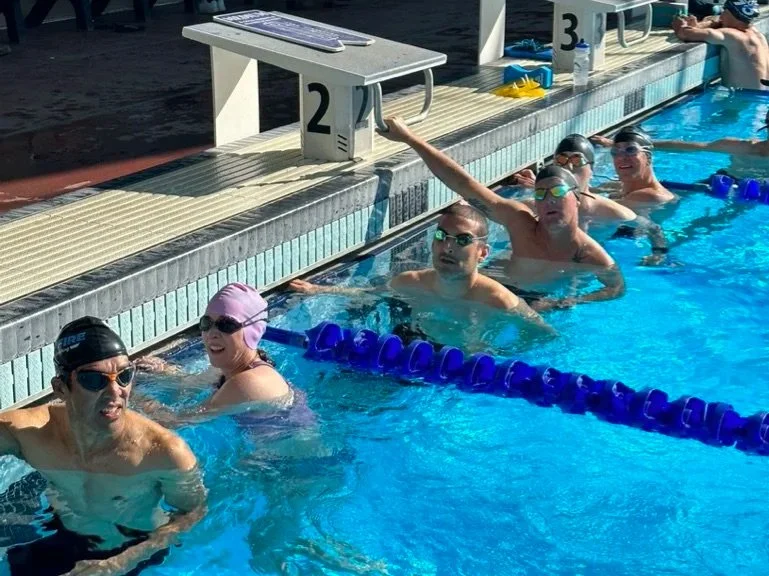
All swimmers need technique work!
Many triathletes come to the sport with a history of sport participation. They found success by working hard, and they saw big gains when they learned to push themselves.
Swimming is different. It is the great equalizer. It rewards efficiency over brute force, presence over panic, and skill over suffering. Yet one of the biggest misconceptions I see across all levels of triathletes is the belief that swimming more will automatically make you a better swimmer.
Here is the inconvenient but liberating truth:
Practice does not make perfect.
Practice makes habit.
If your habits in the water are not helping you swim better, then they are locking you into patterns that slow you down.
This winter is the perfect time to change that, no matter how much experience you have in the water.
Water Is 800 Times More Dense Than Air, So Form Really Matters
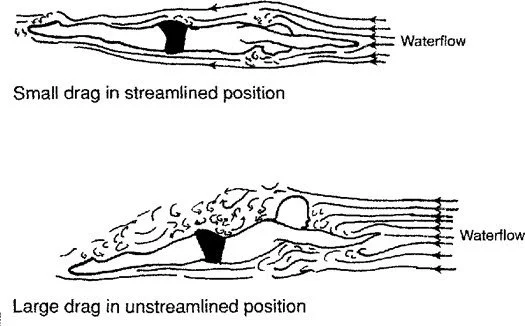
Illustration from 360swim
Cyclists obsess over aerodynamics, and for good reason. Drag matters once you start moving quickly. But here is something worth sitting with for a moment:
The medium you swim in is 800 times more dense than the one you ride through.
Every inch of your body meets resistance when you move through the water. If your hand enters wide, if your hips drop, if your kick creates more chaos than propulsion, the water notices and responds immediately.
This is why even small changes in swim technique can create measurable speed gains. You can get faster in the water without working harder. Meanwhile, many athletes pay thousands for lighter wheels and see only marginal improvements.
If you want meaningful progress on race day, start with the place that gives you the biggest return on efficiency.
Drills Only Work When You Do Them Correctly
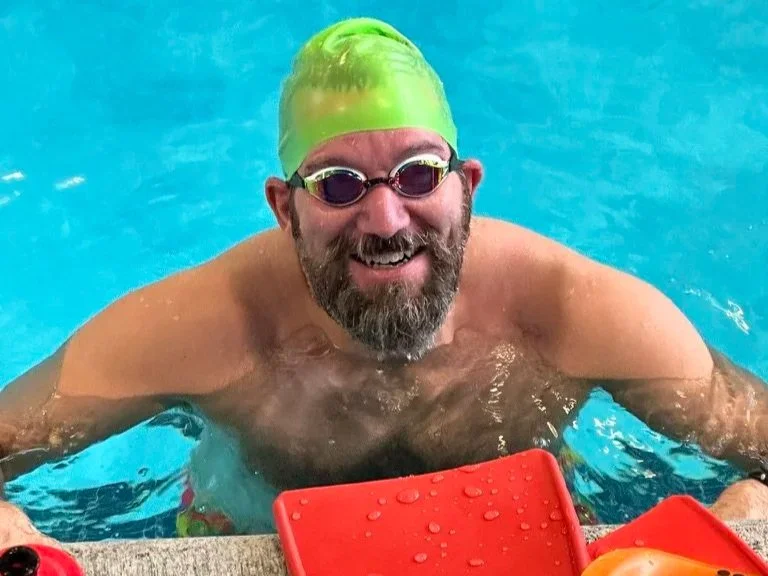
Bring all your gear and know how to use it
Drills are not warmup filler or “the stuff your coach makes you do before the real set.” Drills are neuromuscular training. They retrain your body to move with better mechanics and a better feel for the water.
But here is the catch:
If you practice a drill incorrectly, you reinforce the exact habit you hoped to fix.
This is why guided instruction matters. Most swimmers have a pretty poor concept of how their body is moving in the water, so having a coach evaluate your form in person can make a huge impact. Gains are accelerated when you have someone watching you swim, noticing the details you cannot see, and giving you cues that are grounded in biomechanics rather than guesswork. Most athletes do not need to work harder in the pool, they need to work more intentionally.
For busy adults who are training around careers, families, injuries, and a very real desire to maintain joy in the sport, this is important. You do not have time to grind out inefficient technique. You deserve focused work that actually moves you forward.
Technique Is a Performance Skill, Not a Beginner Skill
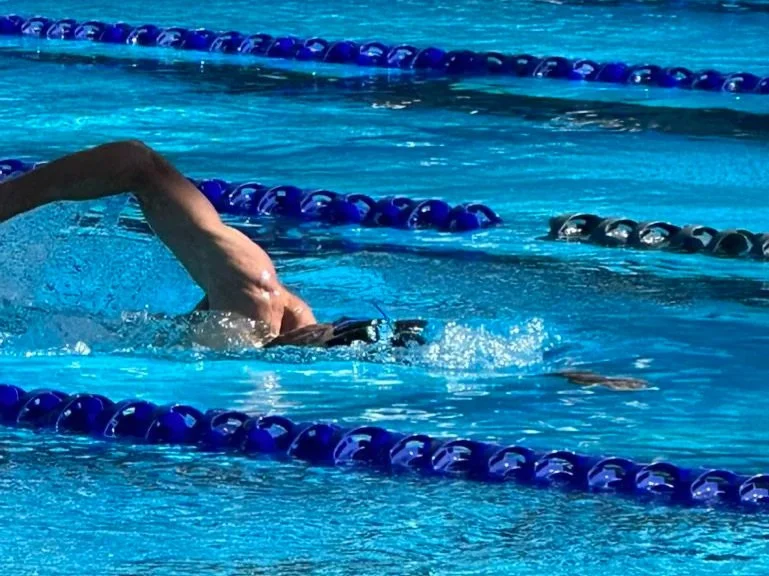
Faster swimmers are still working on technique
It is tempting to believe that technique work is something you outgrow once you reach a certain pace. In reality, technique is a skill that supports every level of performance.
Technique training improves:
Speed
Body position
Stroke mechanics
Confidence
Your overall experience in the pool
Technique is not remedial. It is foundational. It is also one of the clearest pathways to feeling more capable, more efficient, and more confident on race morning.
Ready to Feel Better in the Water? Join Us This Winter!
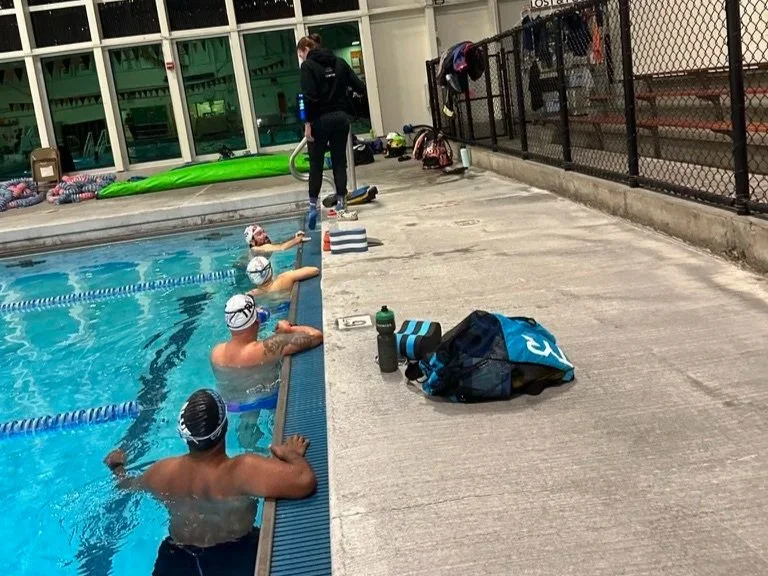
Small groups = Lot of attention
For St. Louis athletes who want 2026 to feel smoother and stronger, I am offering a 6-Week Winter Swim Technique Series designed to reshape how you move in the water.
We will work on:
Mechanics that support your natural strengths
Drills that translate into real stroke changes
The ability to identify and repeat what good technique feels like
If you want to step into the new season with more confidence and less struggle, this is a great way to begin.
👉 Sign up here:
Let’s turn your time in the water into something that feels productive, efficient, and maybe even joyful. Your future self will thank you for starting now.
